Most Unequal Countries by Gini Index (2026)
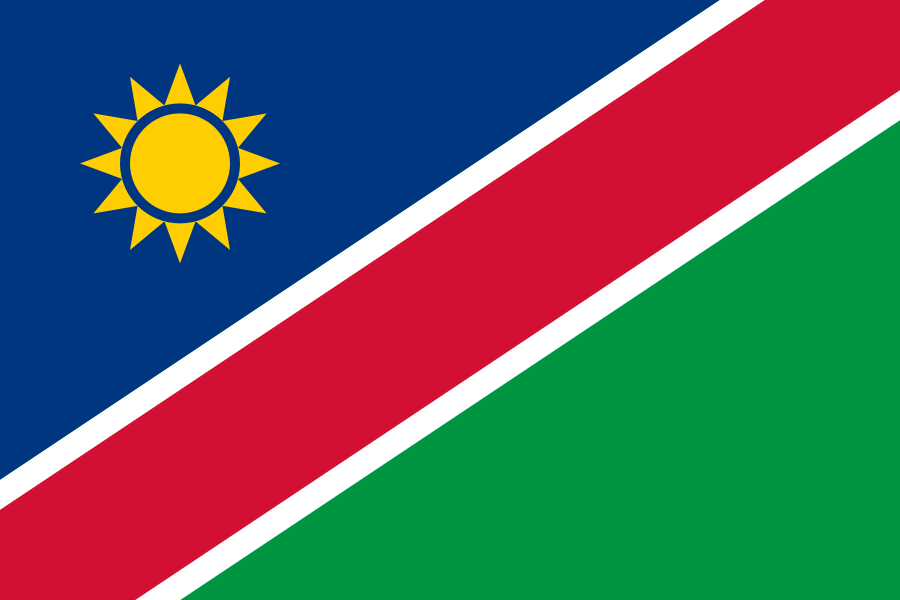
Namibia has the highest Gini index at 59.1, indicating extreme income inequality. The Gini index ranges from 0 (perfect equality) to 100 (perfect inequality). Values above 40 are generally considered high inequality.


















































































How Is Income Inequality Measured?
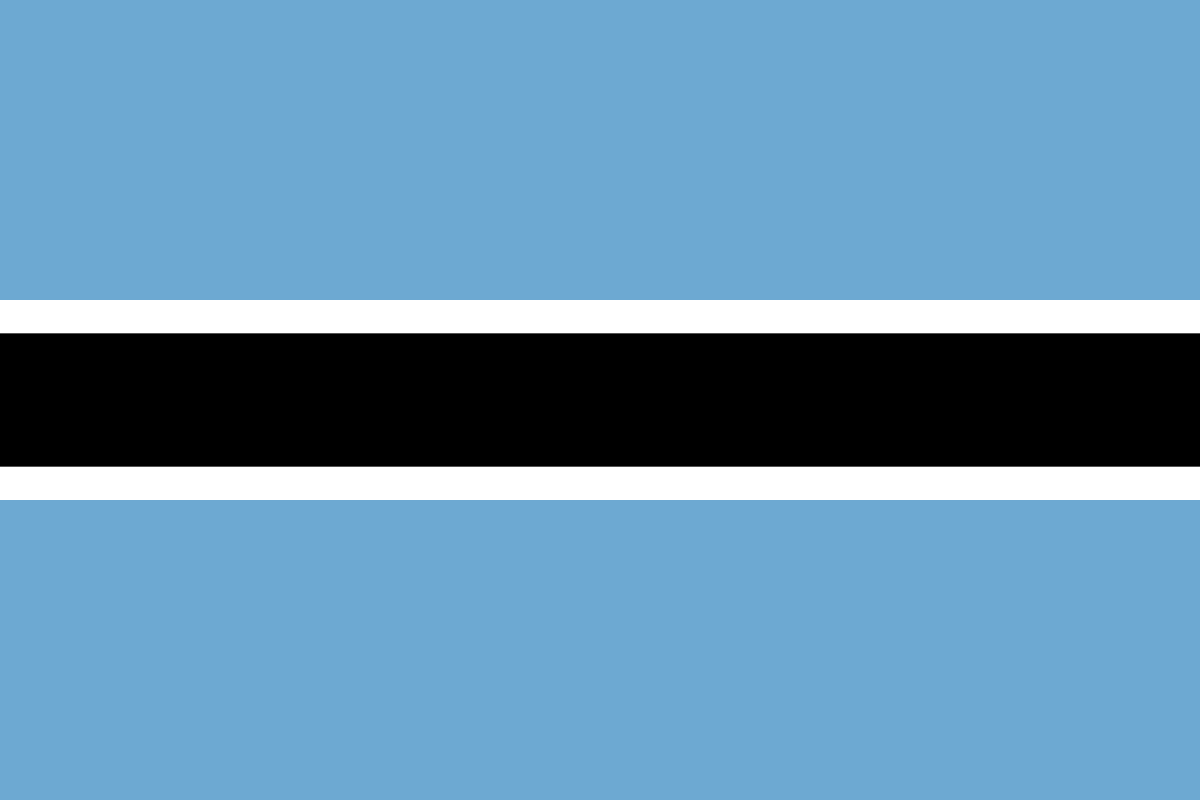
The Gini index ranges from 0 (perfect equality) to 100 (perfect inequality). Namibia has the highest at 59.1, followed by Botswana (54.9). Values above 40 are generally considered high inequality, while values below 30 indicate relatively equal distribution.
Latin America and Sub-Saharan Africa are disproportionately represented. In Latin America, inequality has deep historical roots in colonial-era land distribution and uneven access to education.
Does Inequality Affect Economic Growth?
Research suggests high inequality is associated with lower economic growth over the long term, weaker social cohesion, higher crime rates, and poorer health outcomes across the population.
The Gini index has limitations. It captures income distribution at a single point in time and doesn't reflect wealth inequality (typically much higher), intergenerational mobility, or access to public services. Gini data is not available for all countries, and some measure income while others measure consumption inequality.