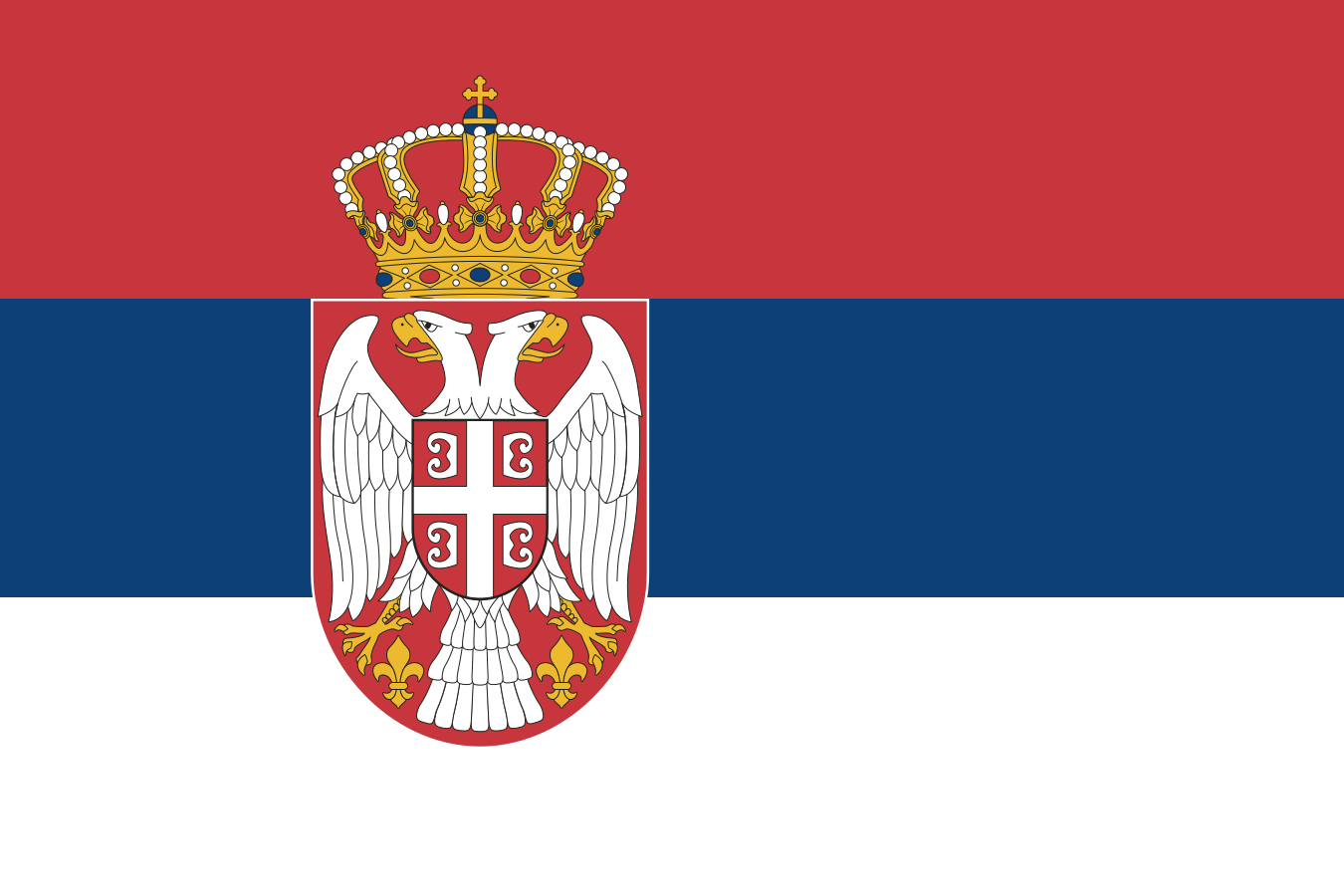
Serbia Crime Rate & Safety
Homicide statistics, crime trends, and travel safety for Serbia
US State Department Travel Advisory
Exercise Increased Caution
Updated April 11, 2025
Serbia recorded 1.3 intentional homicides per 100,000 people in 2023, a rate that is low by global standards. That places Serbia #135 of 195 countries by homicide rate, compared with the Europe average of 1.6 per 100,000 and a world average of 5.2. Homicide rates have fallen 31% over the past decade (from 1.9 in 2013). For travelers, the US State Department currently rates Serbia at Level 2 of 4: Exercise Increased Caution.
Homicide Rate
1.3 /100k
Safety Rank
#61 of 195
Travel Advisory
Level 2 of 4
Data Year
2023
Homicide Rate Trend (2000-2023)
Intentional homicides per 100,000 people. Homicide rates have fallen 31% over the past decade (from 1.9 in 2013). Source: UNODC via World Bank.
How Serbia Compares
Intentional homicides per 100,000 people, latest available year per country.
Who Is Affected
In Serbia, the homicide rate for men is 3.2× higher than the rate for women — 2.0 vs 0.7 per 100,000 (2023).
Homicide victims per 100,000 of each sex. Source: UNODC via World Bank.
Safety for Travelers
Summary of the current US State Department advisory for Serbia:
Reissued with minor changes. Exercise increased caution in Serbia due to crime . Country Summary: Violence associated with organized crime and high-profile sporting events in Serbia is common. Read the country information page for additional information on travel to Serbia. If you decide to travel to Serbia: Be aware of your surroundings. Do not display signs of wealth, such as expensive watches or jewelry. Do not answer your door at your hotel/residence unless you know who it is. Stay alert in locations frequented by Westerners. Be extra vigilant when visiting banks or ATMs.
Level 1
Exercise Normal Precautions
Level 2
Exercise Increased Caution
Level 3
Reconsider Travel
Level 4
Do Not Travel
Safety Guidance for Serbia
Practical safety information for visitors, from US State Department country information (last updated April 08, 2025).
Terrorism
Terrorist groups, and those inspired by such organizations are intent on attacking U.S. citizens abroad. Terrorists worldwide are using less sophisticated methods of attack. Those include knives, firearms, rudimentary (IEDs) and vehicles to target crowds. They target unprotected or vulnerable venues, such as: High-profile public events (sporting contests, political rallies, demonstrations, holiday events, celebratory gatherings, etc.) Hotels, clubs, and restaurants frequented by tourists Places of worship Schools Parks Shopping malls and markets Public transportation systems (including subways, buses, trains, and scheduled commercial flights) For more information, see our Terrorism page.
Anti-U.S. Sentiments
While Serbians can be welcoming to visitors, anti-U.S. sentiment is widespread. It can be more prevalent around certain anniversaries and some national holidays, such as: February 17 (anniversary of Kosovo’s 2008 declaration of independence), March 24 and June 10 (The 1999 NATO air campaign against Yugoslavia, in response to events in Kosovo), and June 28 (St. Vitus’s Day or Vidovdan).
Sporting Events
There is the potential for violence before, during, and after sporting events. There have been clashes between police and fans in the vicinity of sports venues. Those venues are often located in residential areas. Matches between certain teams, including Partizan, Rad, and Red Star, are high risk events. There has been violence at previous games. U.S. citizens have not been targeted in the past. However, in a few isolated cases non-Serbians have been the victims of sports-related violence. U.S. government employees are generally advised to avoid the vicinity of high-profile sporting events.
Night Clubs
As a safety precaution, the following clubs are off-limits for U.S. Embassy personnel due to xenophobic violence: Plastic Klub Šlep (Shlep) Mr. Stefan Braun
Crime
Violent crime in Serbia is most often associated with organized crime activities and hooliganism surrounding high-profile sporting events. Tourists and visitors should be aware of their surroundings, as in all major cities. Pickpocketing and financial crimes of opportunity are the most common occurrences. Tourists should pay attention to taxi meters and listed fares. as some taxi drivers may try to scam foreigners and charge higher rates.
Demonstrations
occur frequently. They may take place in response to political or economic issues, on politically significant holidays, and during international events. Demonstrations can be unpredictable, avoid areas around protests and demonstrations. Past demonstrations have turned violent. Check local media for updates and traffic advisories. Maintain caution if within the vicinity of demonstrations. There is often a heavier than usual police presence near demonstrations. Traffic may slow or stop until well after the demonstration ends.
International Financial Scams
See the Department of State and the FBI pages for information on scams.
Victims of Crime
If you or someone you know becomes the victim of a crime in Serbia, you should contact the local police. Report crimes first to the local police by dialing 192. Remember local authorities are responsible for investigating and prosecuting crimes. Not all police officers speak English. See our webpage on help for U.S. victims of crime overseas . We can: Help you find appropriate medical care Assist you in reporting a crime to the police Contact relatives or friends with your written consent Explain the local criminal justice process in general terms Provide a list of local attorneys Provide information on victim’s compensation programs in the United States Provide an emergency loan for repatriation to the United States. We may provide limited medical support in cases of destitution. Help you find accommodation and arrange flights home Replace a stolen or lost passport
Domestic Violence
U.S.-citizen victims of domestic violence may contact the Embassy for assistance.
Tourism
The tourism industry is unevenly regulated. Safety inspections for equipment and facilities often do not occur. Hazardous areas/activities are not always identified with appropriate signage. Staff may not be trained or certified either by the Serbian government. They also may not be recognized by authorities in the field. In the event of an injury, appropriate medical treatment is typically only available in major cities. First responders are generally unable to access areas outside of major cities to provide urgent medical treatment. U.S. citizens are encouraged to buy medical evacuation insurance.
About This Data
Homicide figures are intentional homicides per 100,000 people, compiled by the United Nations Office on Drugs and Crime (UNODC) and published by the World Bank (indicator VC.IHR.PSRC.P5). Homicide is the most reliably comparable crime statistic across countries because definitions of other offences (assault, theft, robbery) vary widely between national legal systems and reporting practices.
Travel advisory levels are issued by the US Department of State and updated continuously. They reflect risks to travelers including crime, terrorism, civil unrest, health, and natural disasters — not only crime rates. Countries report crime data with different lags; the most recent available year is shown for each metric.
Serbia Population & Demographics
Population of 6,586,476, growth trends, economy, and more.
Crime & Safety in Neighboring Countries






Frequently Asked Questions
Is Serbia safe to visit?
The US State Department rates Serbia at Level 2 of 4 (Exercise Increased Caution). The homicide rate of 1.3 per 100,000 is low by global standards.
What is the crime rate in Serbia?
Serbia has an intentional homicide rate of 1.3 per 100,000 people (2023, World Bank/UNODC), ranking #135 of 195 countries.
What is the US travel advisory level for Serbia?
Serbia is currently at Level 2: Exercise Increased Caution. Advisory levels range from Level 1 (Exercise Normal Precautions) to Level 4 (Do Not Travel).
How does crime in Serbia compare to other countries?
Serbia's homicide rate of 1.3 per 100,000 is below the world average of 5.2 and below the Europe average of 1.6.